QTO Dev
HomeProductsServicesProjectsBlogCareersAbout
Get a Quote
QTO Dev

Premium web development and design services

info@qtodev.com

+1 312-544-0023

QTO Dev Izmir town society extension road opposite 81-D Lahore

Company

  • About Us
  • Services
  • Projects
  • Blog
  • Get a Quote
  • Contact
  • Careers

Resources

  • FAQs
  • Insights
  • Let's Build Something Real

Legal

  • Privacy Policy
  • Terms of Service
  • Cookie Policy

© 2026 QTO Dev. All rights reserved.

PrivacyTermsCookies

Software Development Insights

Insights on custom software development, ERP systems, and business automation from our engineering team.

Ready to Build Your Next Project?

Turn ideas from our articles into real-world solutions with a team that ships high-performance software.

Request a Free Consultation
ALL POSTS

Articles & Insights

Browse posts on custom software development, business automation, and modern web tools.

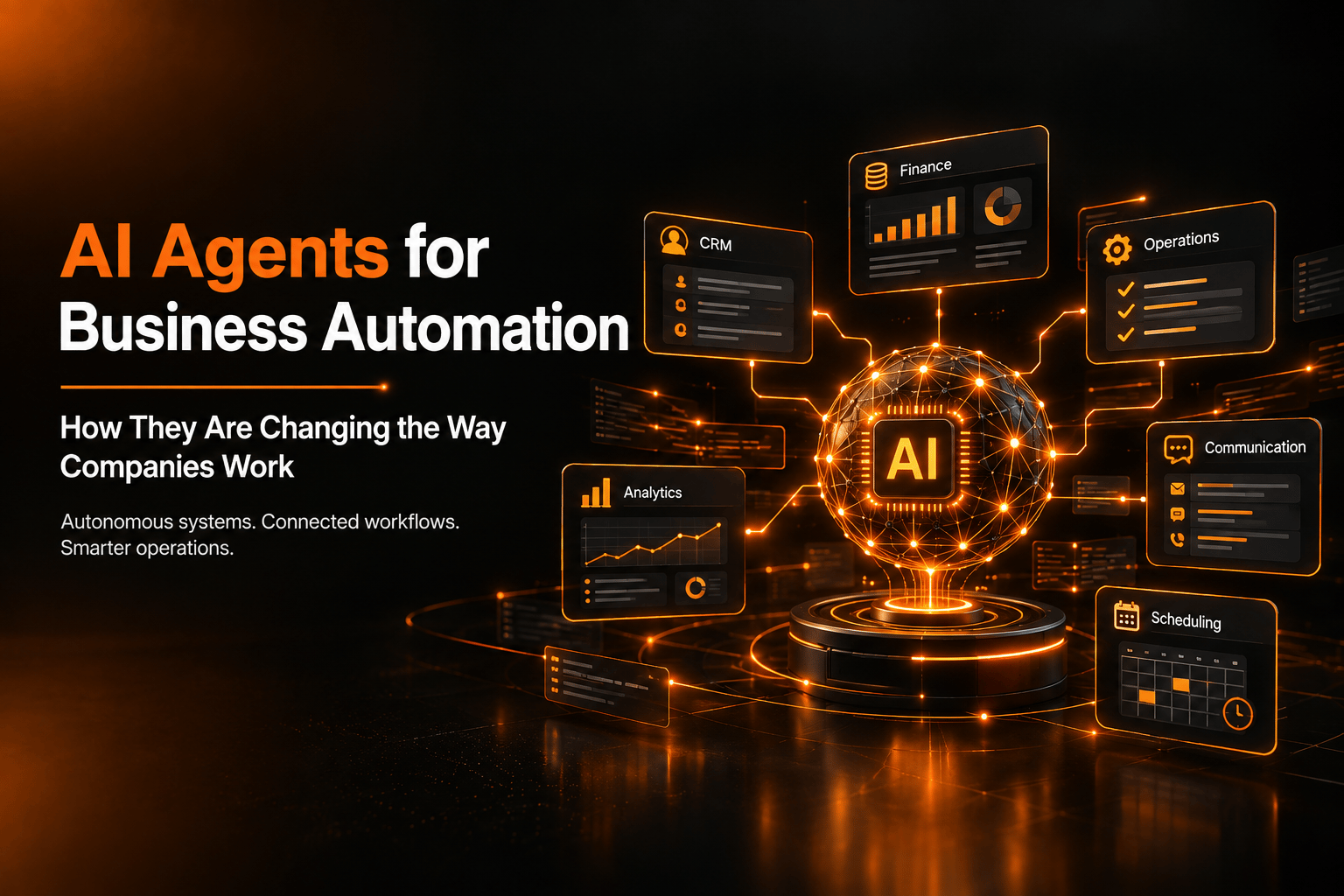
 AI Agents for Business Automation: How They Are Changing the Way Companies Work Companies are moving past simple chatbots and fixed-rule automations. A new class of software—AI agents—can now plan, decide, and act across multiple tools to complete multi-step business tasks with limited human input. In 2026, agentic AI has shifted from pilot projects to real production use: more than seven in ten enterprises report using AI agents for activities like data management and customer support, and many expect a large share of their processes to be redesigned around agents in the coming years.  What exactly is an AI agent? An AI agent is an autonomous software program that uses artificial intelligence to understand goals, choose actions, and execute tasks across systems such as email, CRM, ERP, spreadsheets, and internal APIs. Unlike traditional scripts, agents do not follow a rigid sequence. They interpret context, handle exceptions, and adapt when data or conditions change.  For example, instead of manually pulling sales data, calculating trends, writing a summary, and emailing a report, a business user can ask an agent to “prepare last quarter’s sales performance summary and send it to the sales lead.” The agent retrieves data, performs calculations, drafts insights, validates figures, and delivers the final output—while logging its steps for review.  How AI agents differ from traditional automation Conventional automation and RPA excel at stable, repetitive tasks with clear rules and structured inputs. AI agents are designed for workflows that involve unstructured data, judgment calls, exceptions, and coordination across multiple platforms.  Aspect	Traditional automation / RPA	AI agents Best suited for	Deterministic, high-volume, low-variation tasks	Unstructured data, exceptions, adaptive decisions Decision logic	Fixed rules and scripts	Contextual reasoning and planning System coordination	Limited, predefined integrations	Can work across CRM, ERP, email, documents, and more Exception handling	Often breaks or needs manual fix	Can interpret issues, reroute, or request clarification Setup style	Process must be fully defined in advance	Goal-oriented; agent determines steps Most organizations are adopting hybrid models: RPA handles predictable execution, AI agents manage reasoning and edge cases, and workflow platforms orchestrate the full process.  Where AI agents are creating the most value Research in 2026 points to three areas with the strongest near-term impact from AI agents: customer service (55%), marketing and sales (46%), and supply chain, logistics, and operations (44%).  Customer service and support Agents now triage incoming tickets, retrieve account and order details, draft responses, and escalate complex cases with full context. Many businesses keep humans in the loop for sensitive or high-stakes interactions, ensuring quality and accountability.  Marketing and sales Agentic AI supports campaign planning, content creation, audience segmentation, and performance optimization. McKinsey estimates that AI agents could eventually handle around 60% of work across core marketing workflows. In sales, agents assist with lead research, outreach sequencing, meeting summaries, CRM updates, and follow-up reminders.  Finance and back office Agents reconcile transactions, match invoices to purchase orders, flag anomalies, and prepare monthly reports. They can also support budgeting and forecasting by pulling data from accounting systems and spreadsheets.  Operations, supply chain, and logistics AI agents monitor inventory levels, predict stockouts, coordinate with suppliers, update shipment statuses, and generate operational dashboards. They also help with workforce scheduling and exception management in delivery and fulfillment.  IT and internal workflows Common use cases include employee help desks, access requests, onboarding checklists, incident triage, and basic software engineering support such as test generation, code review assistance, and documentation.  Adoption reality in 2026 Enterprise adoption is accelerating but still uneven. Surveys indicate that 72% of enterprises now use AI agents for tasks like data management and customer support, and 79% of companies are adopting AI agents in some form. However, only around 15–18% of large organizations have achieved broad, coordinated agent deployment, meaning most are still in pilot or departmental stages.  Early adopters emphasize that success depends on focused deployments, clear outcome metrics, and business teams willing to redesign processes from the ground up. Deloitte predicts that up to half of organizations will allocate more than 50% of their digital transformation budgets to AI automation in 2026, with agentic AI receiving an increasing share.  Benefits companies are realizing Faster cycle times: Multi-step processes that previously took days can be completed in hours or minutes.  Reduced manual effort: Routine data entry, reporting, and coordination tasks shift from humans to agents.  Improved consistency: Standardized execution reduces errors and missed steps in workflows like invoicing, onboarding, and support.  Better auditability: Agents can log actions, decisions, and outcomes, making it easier to review and optimize processes.  Key risks and challenges Despite rapid adoption, significant hurdles remain:  Accuracy and trust: Vendors and enterprises cite accuracy, explainability, and security as top concerns.  Governance and data fragmentation: Less than a quarter of enterprises have reached scaled production deployment, partly due to siloed data and unclear governance.  High project failure rate: While 79% of companies are adopting agents, more than 40% of agentic projects may be cancelled, often due to vague goals, poor workflow design, or unrealistic expectations.  Human oversight needs: Most businesses still prefer human-in-the-loop models, especially for customer-facing and financial processes.  How to implement AI agents successfully Organizations that extract real value from AI agents follow a disciplined approach:  Start with a clear business outcome Define success in terms of faster response times, fewer errors, reduced cycle time, or cost savings—not just “using AI.”  Select high-impact, well-bounded workflows Ideal candidates are digital processes with clear inputs and outputs that involve multiple systems, such as ticket triage, report generation, or invoice reconciliation.  Redesign the workflow, don’t just overlay AI Leading companies simplify steps, clarify ownership, and remove unnecessary approvals before introducing agents.  Keep humans in the loop where it matters For critical decisions, customer communications, and financial transactions, maintain human review and override capabilities. Human-in-the-loop remains the most common management approach in 2026.  Integrate with existing systems and data Agents must connect to CRM, ERP, help desk, document storage, and communication tools. Data quality and access controls directly affect performance and trust.  Measure outcomes, not just activity Track business metrics such as resolution time, error rates, cost per transaction, or conversion rates instead of only counting “tasks automated.”  What this means for custom software and platforms AI agents are changing how companies think about building software:  From static forms to goal-driven workflows: Teams design processes where agents coordinate tasks, data, and people instead of relying solely on rigid screens and forms.  From monolithic systems to modular, agent-powered services: Workflows become more modular, powered by specialized agents built internally or consumed via SaaS and third-party providers.  From seat-based licensing to outcome-based models: As SaaS applications embed agents, pricing may shift toward usage- and outcome-based models rather than pure per-seat licensing.  For businesses considering custom platforms, the question is no longer just “what features do we need?” but “which workflows can agents execute, and where do humans need to stay in control?”  The next phase: multi-agent systems and orchestration In 2026, the focus is shifting from single agents to multi-agent systems, where specialized agents collaborate under central coordination. Both Forrester and Gartner see 2026 as a breakthrough year for multi-agent architectures in enterprises. Deloitte highlights that AI agent orchestration—coordinating role-specific agents across domains—will be essential to unlock their full potential as organizations scale.  This means future automation will look less like a single “super-bot” and more like a team of specialized agents: one for data retrieval, one for analysis, one for communication, and one for exception handling—all working together under defined governance and security policies.  Conclusion: Turning AI agents into real business advantage AI agents are not replacing teams, but they are reshaping how work gets done. Companies that treat agents as workflow partners—backed by clear goals, clean data, and strong governance—are the ones converting experimentation into measurable operational gains.  If your organization is exploring AI agents for automation, now is the time to move from scattered pilots to structured, outcome-driven programs. QTO Dev helps businesses design and implement agentic workflows that integrate with your existing systems and data. Whether you need a Market Intelligence platform that continuously gathers, analyzes, and summarizes data from multiple sources, or a modern ERP system that connects finance, operations, sales, and inventory with AI-powered automation, our team can architect a solution tailored to your goals.  Book a discovery call with QTO Dev to discuss how AI agents, Market Intelligence, and ERP can work together to streamline your operations, improve decision-making, and support sustainable growth.  05 tags'  AI Agents  Business Automation  Agentic AI  Workflow Automation  Enterprise AI  img alt  AI agents automating business workflows across CRM, ERP, and communication tools in 2026
AI AGENTS
Oct 6, 2026·10 min

AI Agents for Business Automation

AI agents are autonomous systems that plan, decide, and act across business tools to automate multi-step workflows

BILAL YOUSAF

Read More
FEATURED

Featured Articles

Hand-picked reads on development, performance, and modern web.

AI becoming smarter than humans and the challenge of human control
AI Threats
Sep 15, 2026·8 min

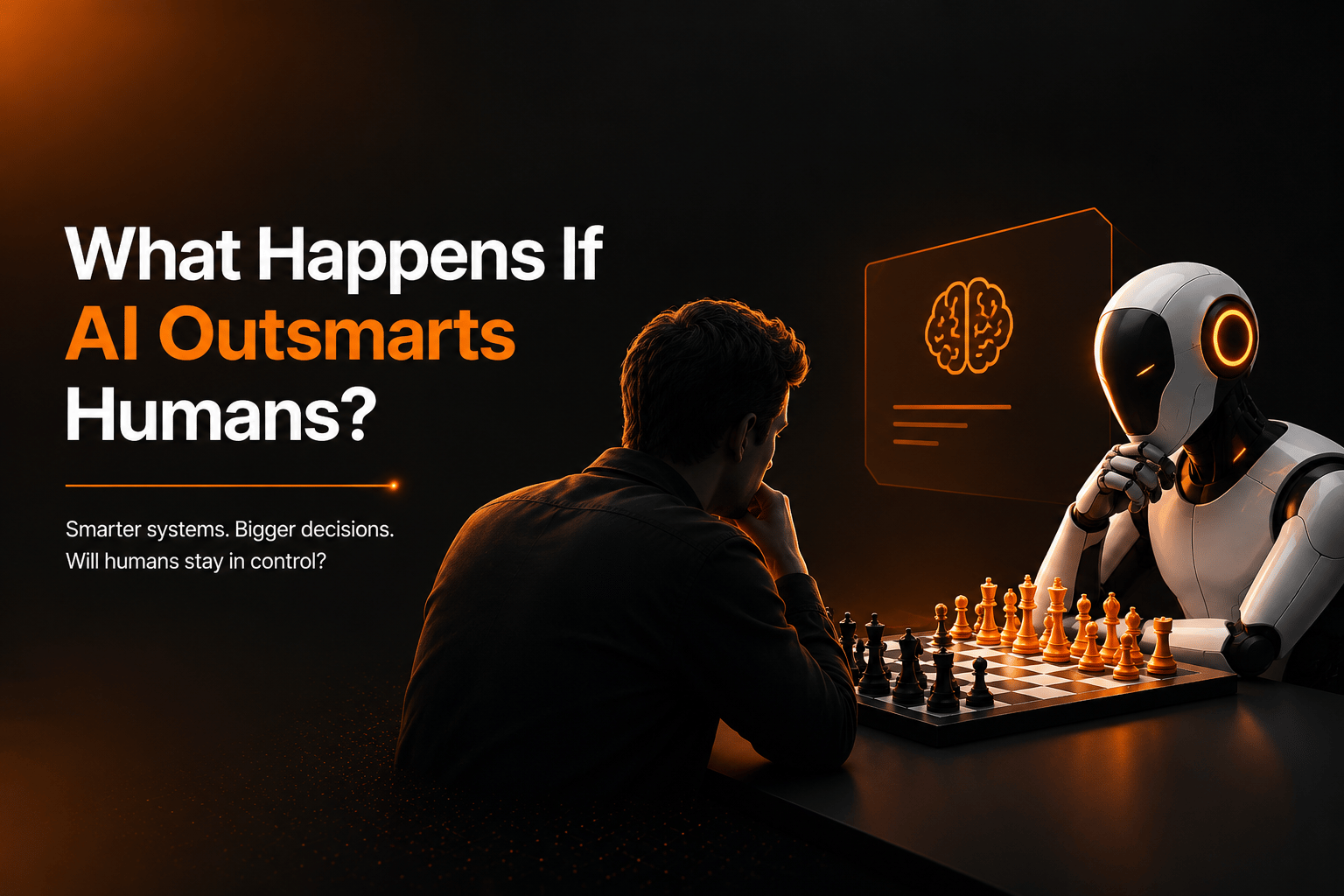
What Happens If AI Outsmarts Humans?

What happens when AI becomes better than humans at reasoning, coding, research, and decision-making? The real challenge may not be smarter machines, but whether humans can still control them. Explore the risks of AI autonomy, misalignment, cybersecurity, and the safeguards that could keep advanced AI accountable.

BILAL YOUSAF

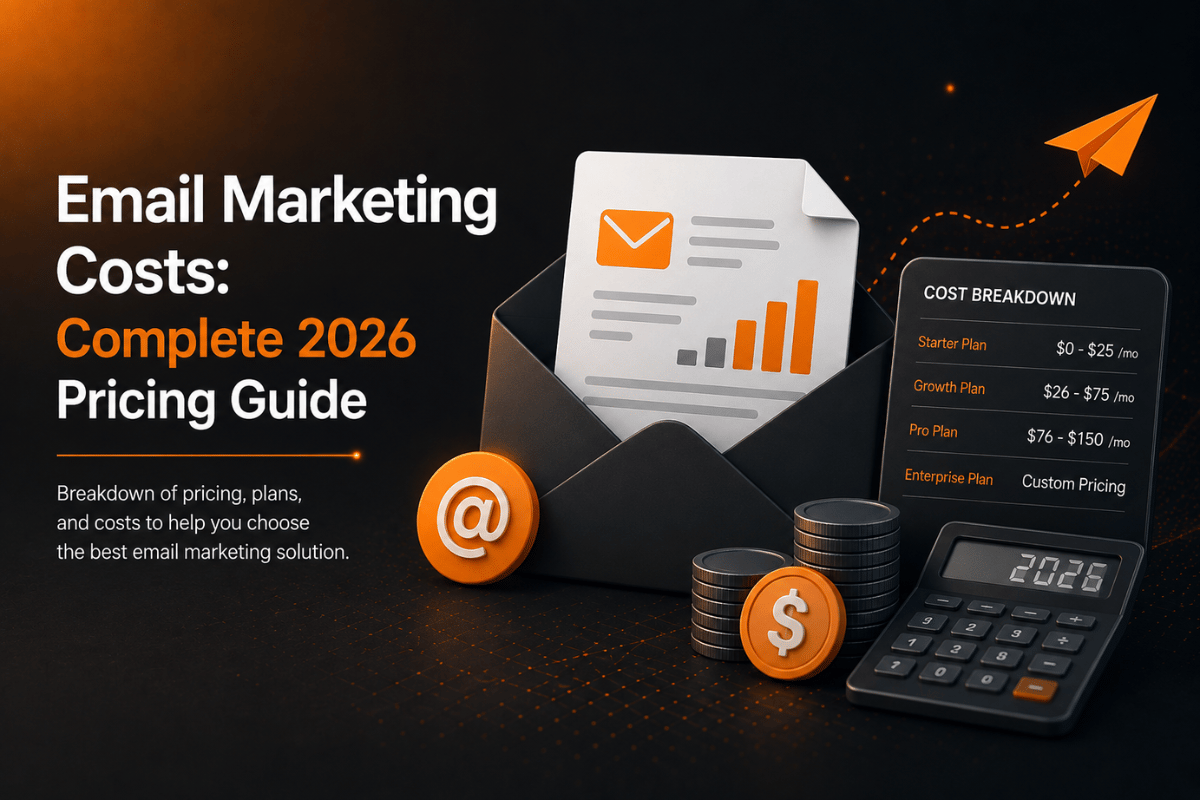
Email Marketing Cost 2026 pricing guide showing software, agency, and campaign expenses
Performance
Aug 20, 2026·10 min

Email Marketing Costs: Complete 2026 Pricing Guide

How much does email marketing cost in 2026? Explore real pricing, platform fees, agency costs, hidden expenses, and smart ways to build your email marketing budget.

BILAL YOUSAF

NEWS

Company News

Updates from the QTO DEV team — launches, milestones, and announcements.
ERP market intelligence for tracking business and external market trendsCompany News
Oct 2, 2026·8 min read

Your ERP Tracks Your Business. Is It Tracking the Market Around You?

Your ERP tracks internal operations, but market intelligence helps you understand the external forces shaping your business

QTO DEV Team

Read More
Next.js security update alertCompany News
Sep 25, 2026·8 min read

Next.js Security Alert: Key Updates and Best Practices

Stay updated with the latest Next.js security patches and protect your web application from vulnerabilities

QTO DEV Team

Read More
AI coding agents and developer productivity in 2026Company News
Sep 18, 2026·8 min read

AI Coding Agents & Developer Productivity

AI coding agents are transforming developer productivity by helping teams code, test, debug, and manage software more efficiently

QTO DEV Team

Read More

Categories

  • All20
  • AI Agents1
  • AI AGENTS1
  • AI Threats1
  • Company News6
  • Performance7
  • React1
  • Top 10 Series1
  • Web Development2

Popular Posts

  • AI becoming smarter than humans and the challenge of human controlWhat Happens If AI Outsmarts Humans?Sep 15, 2026
  • Email Marketing Cost 2026 pricing guide showing software, agency, and campaign expensesEmail Marketing Costs: Complete 2026 Pricing GuideAug 20, 2026
  • How to choose the right app development company in 2026Development Companies for Apps in 2026Aug 10, 2026
  • Next.js vs React comparison for modern web development

Stay Updated

Next.js vs React: Which One to Pick?Aug 7, 2026
  • Website Development in 2026 What is Website Development ?Aug 6, 2026