Most modern companies rely on internal metrics to measure daily success. Tracking inventory and sales matters, but true growth requires looking beyond your office walls. Using only internal data creates blind spots that competitors can exploit.
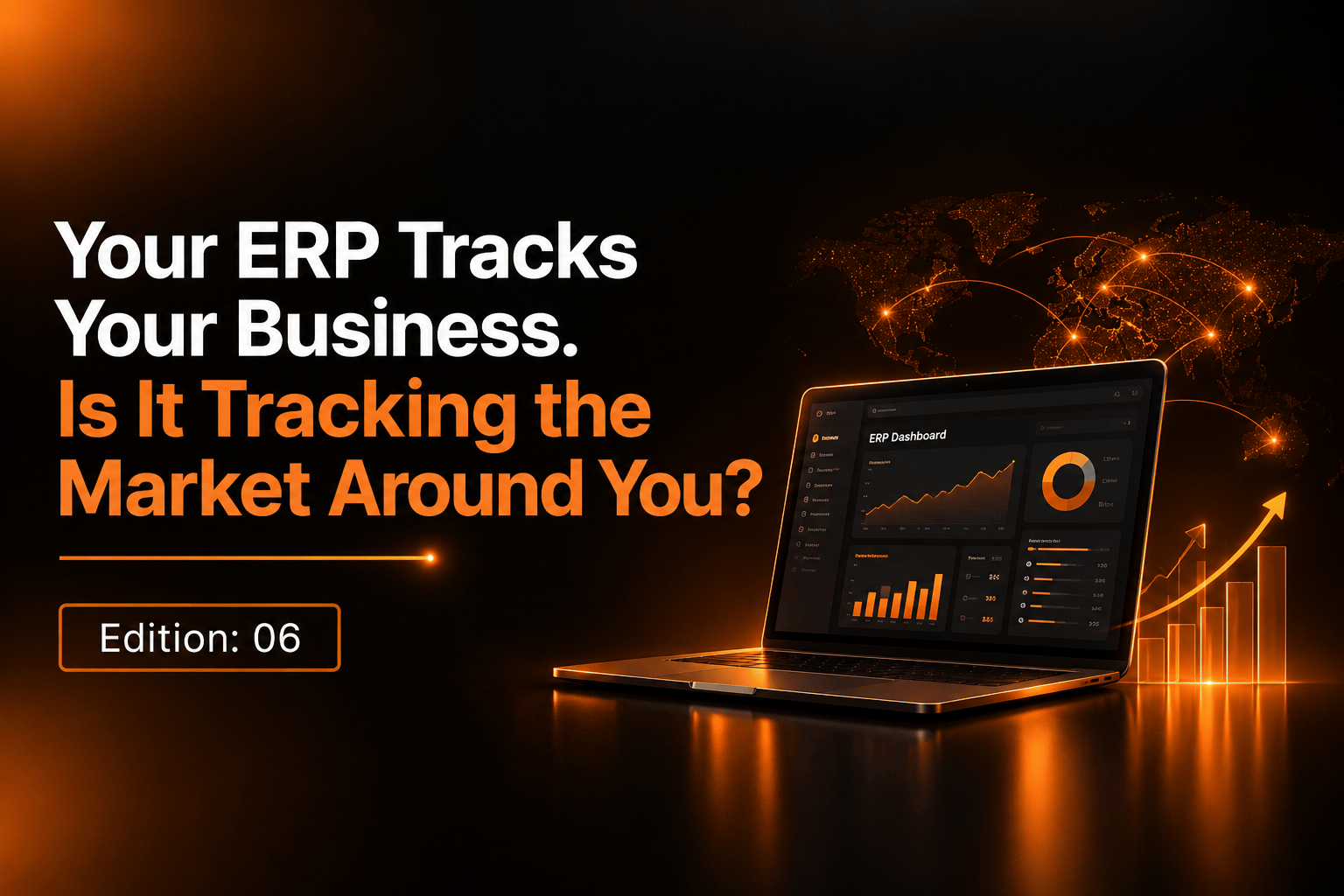
Adding external market data lets leaders act before competitors respond. Advanced platforms like DIQUALIA and QTO ERP connect operations to wider markets. Using an all-in-one ERP system gives leaders a clearer view of shifting industry trends.
This ERP market intelligence turns raw numbers into useful market signals that guide your next move. Mastering market intelligence keeps long-term strategy relevant in a fast-changing economy. When software understands the environment, your business becomes more resilient and ready for sudden changes.
Key Takeaways
• Internal metrics are insufficient for long-term strategic planning.
• External data integration provides a competitive advantage in volatile sectors.
• DIQUALIA and QTO ERP offer tools to connect operations with broader trends.
• Real-time signals allow for faster, more informed executive decision-making.
• Modern software must evolve to monitor both internal and external business conditions.
Why Market Signals Are Becoming an ERP Story
Global markets now shift so fast that companies must track operational data and market signals. Today, market intelligence is essential for survival, not a luxury reserved for large corporations. Businesses must connect external insights to core workflows to stay agile.
What Changed in the Business Information Landscape
The modern business information landscape faces constant volatility and rapid change. Monthly and quarterly reports often miss new opportunities because they move too slowly. External events can disrupt supply chains or change consumer preferences overnight.
Organizations now use real-time business intelligence to keep pace. They are replacing static spreadsheets with systems that process external data and internal performance metrics. This helps leaders act on current conditions instead of outdated historical reports.
Where Internal ERP Data Stops Short
An all-in-one ERP system, or All in one erp system, tracks internal transactions well but misses outside context. It records events inside your walls, including inventory levels and payroll costs. Yet it rarely explains the external factors driving those numbers.
Using only internal data creates a blind spot in demand forecasting. Without outside context, a company may blame production for falling sales when a wider market trend caused them. External signals show teams the "why" behind the "what" in daily operations.
Who Needs Faster Visibility Into Customers, Competitors, and Demand
Every department in a modern enterprise needs faster access to external data. Sales teams track customer demand trends and adjust outreach before competitors do. Procurement teams track supply disruptions to avoid costly inventory shortages.
Executives use competitor analysis to change business models when new market entrants appear. When teams share internal performance and external market shifts, the organization becomes more resilient. This visibility turns an ERP from a record-keeping tool into a strategic asset.
How DIQUALIA and QTO ERP Connect Operations With Market Awareness
True operational agility starts when core business systems connect with market signals. Many companies work in silos, leaving internal data apart from external forces that drive revenue. Using advanced analytical frameworks helps businesses see the full picture of performance.
What DIQUALIA Brings to the Conversation
DIQUALIA adds a sophisticated layer that interprets complex data streams. It turns raw information into useful insights for daily operations. With data integrity and clarity, leaders can make choices using accurate, real-time views of their business environment.
How QTO ERP Can Help Link Business Activity With External Shifts
QTO ERP acts as the central nervous system for your enterprise. It tracks internal workflows and can also accept outside data points. This connection improves sales visibility and sharpens inventory planning across multiple locations.
When your ERP connects with market data, you gain a competitive edge. It supports pricing intelligence based on current conditions, not outdated historical averages. This alignment helps protect margins in a changing economy.
Signals Leaders Should Watch Across Sales, Inventory, Pricing, and Supply
Effective management needs constant supply chain visibility to prevent bottlenecks. Leaders must watch indicators that reveal changes in the wider market. These signals may include changing order patterns or sudden raw material cost changes.
Detecting Changes in Customer Demand
Understanding customer demand trends supports proactive management. With advanced demand forecasting, companies can anticipate shifts before they affect profits. This foresight prevents stockouts and directs resources where they are needed most.
Recognizing Supply and Cost Pressure
Market volatility often creates cost pressure monitoring challenges. When suppliers face shortages or price hikes, internal systems must show these changes at once. Procurement teams can then adjust plans and protect the company from unexpected financial strain.
Turning Timely Signals Into Faster Decisions
The goal is to shorten the time between receiving a signal and taking action. When data moves smoothly through your systems, decision-makers can pivot with confidence. Speed and accuracy define a resilient organization that thrives despite market uncertainty.
Conclusion
Modern businesses succeed when they connect internal records with outside changes. Separate systems can hide the full picture of your industry. True operational visibility combines internal metrics with external market context.
DIQUALIA and QTO ERP provide a framework for this balance. With ERP data integration, your team gains clarity for precise decision-making. This approach turns static records into a dynamic map of your company.
Effective strategic planning requires anticipating change, not simply reacting to it. Regular market trend analysis helps you adjust your supply chain and pricing models before competitors spot a shift. Real-time business insights keep your operations agile and resilient.
Assess your current software setup today. Does your system only report past performance, or does it help predict what comes next? Aligning your technology with the market's pulse helps your business remain a leader in a changing landscape.