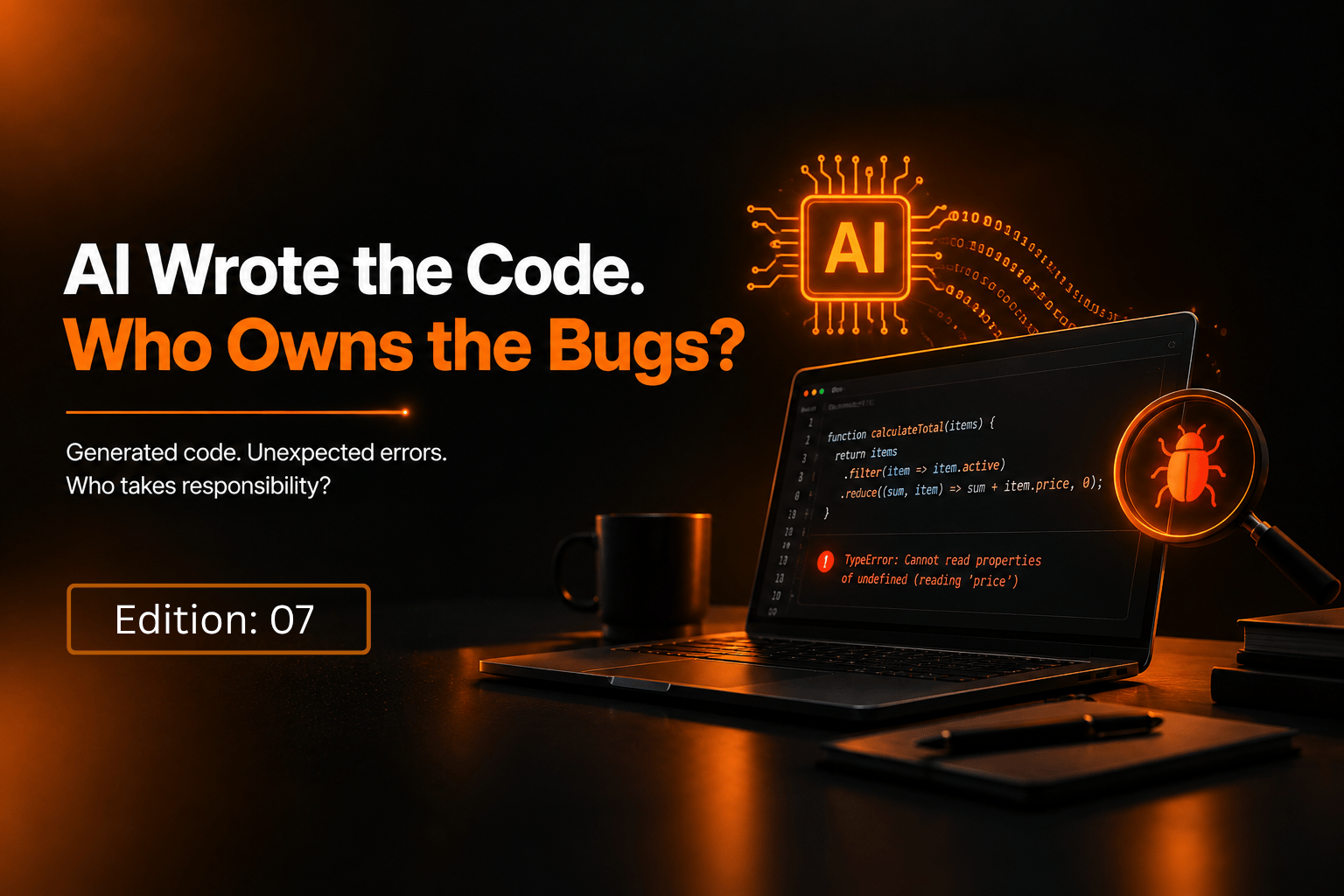
Software security is changing quickly. On September 3, 2026, Cloudflare announced Vulnerability Discovery and Remediation, a new early-access service designed to help businesses find, understand, and prioritize security weaknesses in their code. The service combines Cloudflare’s production security data with OpenAI’s Daybreakmodels, including GPT-5.6 Cyber, to investigate vulnerabilities and suggest ways to address them.
What Did Cloudflare Announce?
Finding a software vulnerability is only the beginning. The bigger challenge is knowing which problem needs attention first.
A security scanner can identify thousands of potential vulnerabilities, but a list alone does not tell a business which issue is actually exposed to users or under active attack.
Cloudflare’s new approach adds more context to that process. Its system can review authorized application code alongside information on production traffic, active routes, security events, and existing Web Application Firewall (WAF) protections. This helps identify whether a vulnerability exists in code that is actually being used and whether there are signs of suspicious activity around it.
AI Helps Find and Validate Vulnerabilities
Cloudflare says its Vulnerability Discovery and Remediation service uses OpenAI Daybreak models for reconnaissance, vulnerability hunting, and validation.
Instead of simply reporting a possible weakness, the system investigates the code and checks whether the finding is meaningful. When a vulnerability is identified, it can propose a code patch and, where appropriate, a WAF rule that can reduce exposure while the development team reviews the code fix.
This is important because businesses often face a difficult choice: fix everything immediately, or determine what presents the greatest real-world risk first?
Cloudflare is focusing on the second problem.
Why This Matters for Businesses
1. Security Teams Need Better Prioritization
More AI-powered tools can discover more potential vulnerabilities. That sounds positive, but it can also create a bigger workload for security and development teams.
The real value comes from understanding which vulnerabilities matter most in the real environment.
For example, a vulnerability in unused code may warrant less immediate attention than a similar vulnerability affecting a heavily used application route already receiving suspicious traffic.
Cloudflare’s approach is designed to connect those dots using production and security signals.
2. Faster Response Can Reduce Exposure
A vulnerability can become a serious problem when there is a long delay between discovering it and fixing it.
Cloudflare’s system can prepare proposed code fixes and, when supported by the available evidence, propose a WAF mitigation as well. This creates an opportunity to reduce exposure while developers review and implement the permanent fix.
For businesses, the lesson is simple: security is not only about finding problems. It is also about reducing the time between discovery and action.
3. AI Still Needs Human Oversight
One of the most important parts of Cloudflare’s announcement is that AI does not get unrestricted control over the customer's environment.
Cloudflare states that proposed patches and mitigations are checked before being presented for review, and customers remain responsible for deciding whether changes are implemented. The model itself cannot independently apply a patch or rule.
That approach highlights an important principle for businesses adopting AI security tools:
Let AI accelerate the work, but keep humans responsible for consequential decisions.
What Should Businesses Take from This?
Cloudflare’s update points toward a broader shift in software security. Businesses should not think about security as a final step after development is complete.
Instead, security needs to be connected with the code, application, traffic, monitoring, and deployment process.
Before adopting new AI security capabilities, businesses should ask:
Which parts of our software are most exposed?
Do we know which vulnerabilities affect production systems?
How quickly can our team investigate a serious finding?
Can we temporarily reduce exposure while a permanent fix is developed?
Are AI-generated recommendations reviewed before deployment?
The Bigger Picture
Cloudflare’s latest update does not mean AI is replacing security teams or developers. It shows something more practical: AI can help security teams investigate large numbers of potential problems, add context, prioritize risk, and prepare possible fixes faster.
For businesses building or maintaining modern software, this can mean a shift from simply asking, “Do we have vulnerabilities?” to asking, “Which vulnerabilities matter most, and how quickly can we act on them?”
That difference could become increasingly important as software systems grow more complex and AI-assisted development makes it possible to create and change software faster.
For businesses, the goal should not simply be to build faster. It should be to build software that is secure, resilient, and ready to evolve